

A journey through innovation and technology to discover the tool that is shaping our increasingly digital and sustainable future.
Progress needs innovation, strategy, and cutting-edge technology, and that’s where FTTH (Fiber To The Home) fiber optics come in: one of the most advanced solutions for ultra-broadband connectivity in Italy.
But what makes it so special? From the composition of the cables to its environmental impact and everyday benefits, we’ll explore the features that make this technology truly unique.
FTTH Fiber: how does it work and why is it innovative?
Ultra-broadband connectivity is a “future-proof” technology capable of delivering extraordinary browsing speeds and enabling next-generation digital services, ultimately improving citizens’ quality of life.
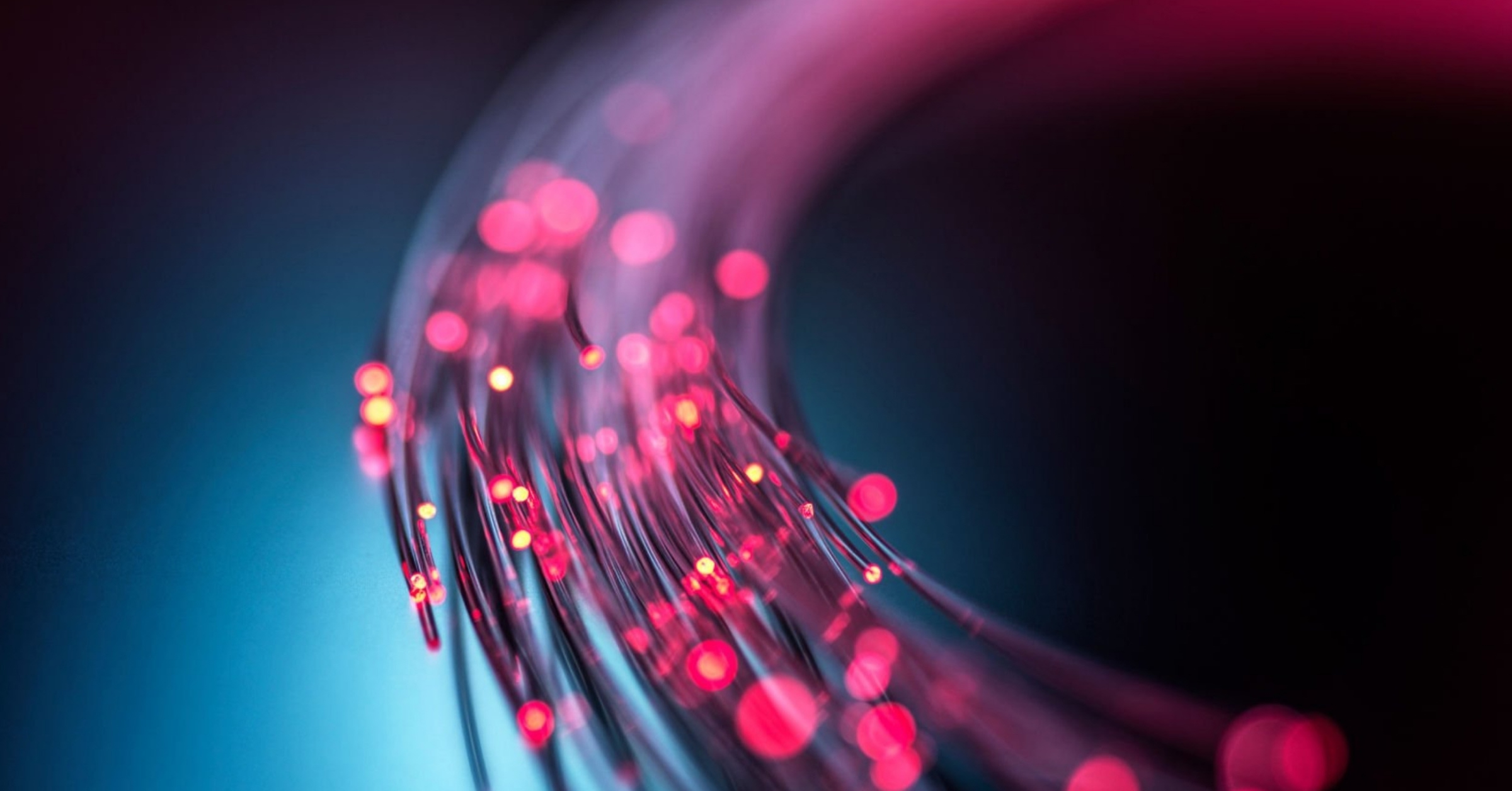
The FTTH network transmits data as light pulses, allowing the signal to travel for kilometers without electrical interference.
A reliable and efficient tool that is playing a key role in bridging the digital divide in Italy.
From materials to uses: curiosities about fiber optics
Let’s dive into this journey of discovery and explore the most fascinating features of fiber optics, a technology that was born as a simple mineral and has evolved, until it reached space and the medical field.
1. Born from sand: the origins of FTTH fiber
A technology that is mainly made from purified silicon, essentially quartz sand transformed into high-quality glass.
Through advanced processing, this common material becomes an exceptional conductor capable of transmitting data at very high speeds.
2. Incredibly thin: finer than a human hair
The core of a fiber optic cable is a very thin glass strand that can carry massive amounts of data. We are talking about a diameter of just 9 micrometers, which despite these microscopic dimensions, guarantees effective data transport.
3. Sustainable, advanced connectivity
Modern infrastructures are inherently eco-friendly and can save up to 70% more energy than traditional copper networks, as light signals require less power to travel long distances.
Additionally, glass cables – a recyclable material with low environmental impact – take up little space, simplifying the lying of the cable in the cabling process and limiting invasive excavations in the streets.
Finally, fiber optics, thanks to its ability to support bandwidth increases via software, is future-proof: it will be enough to modulate the light to support the digital needs of tomorrow, from Smart Cities to the IoT (Internet of Things).
4. 50 years of performance: a long-lasting technology
Once built, ultra-broadband infrastructure maintains excellent performance for decades, drastically reducing waste and the need for extraordinary interventions.
According to recent research, fiber optic cables can last over 50 years thanks to the durability of their components and their ability to tolerate harsh environmental conditions without deterioration.
This exceptional lifespan not only contributes to greater environmental protection, but also represents a long-term investment in network infrastructure, cutting down replacement and maintenance costs.
5. From earth to space
Fiber optics are even used in space. Thanks to their resistance to electromagnetic interference, fiber cables are integrated into satellites, space stations, and interplanetary probes.
In extreme environments, where transmission errors can determine the success of a mission, the reliability of fiber optics is crucial.
6. Telemedicine: the evolution of medical practice
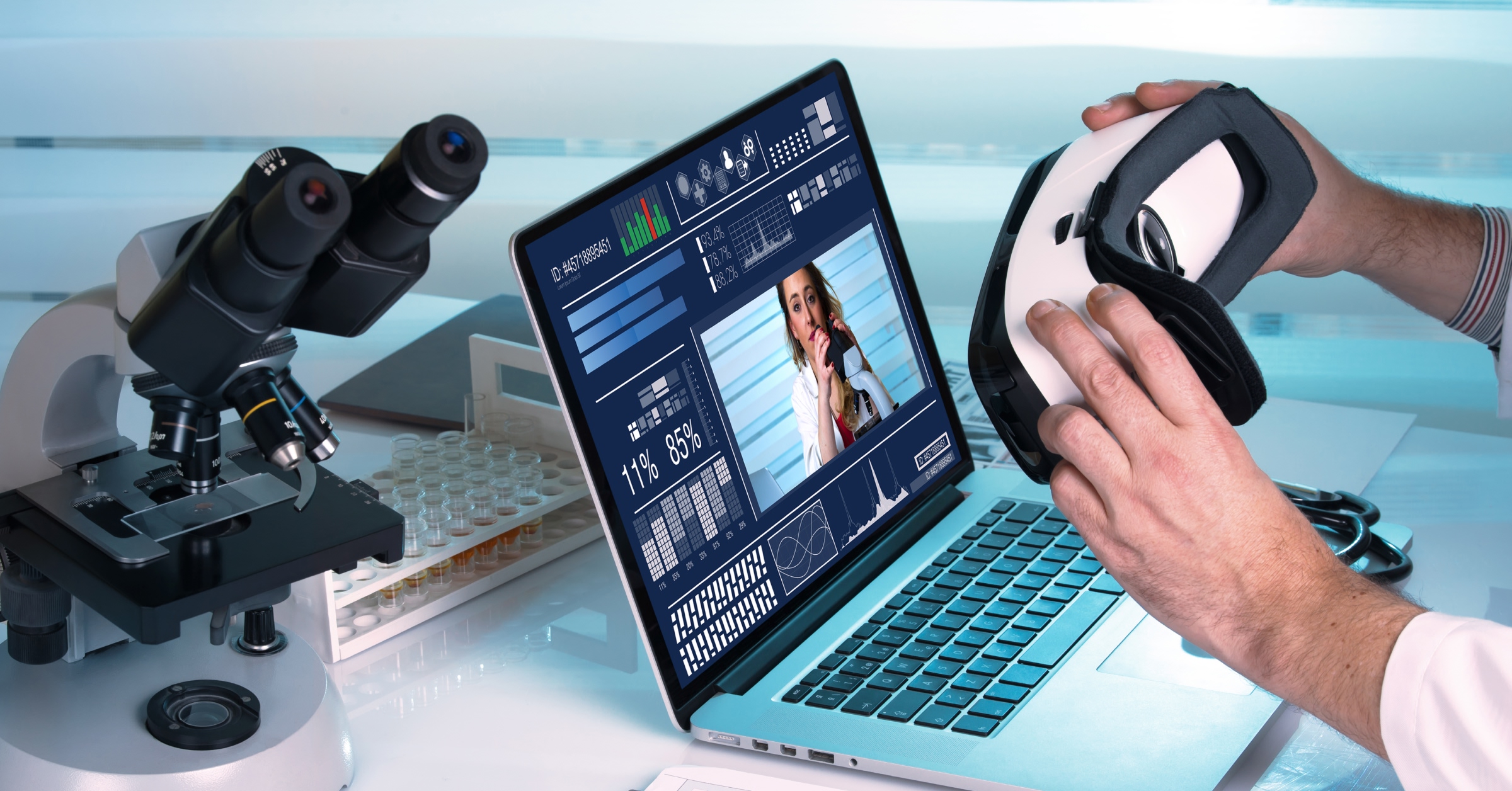
Originally used to develop endoscopes, fiber optics are now key in highly precise, minimally invasive diagnostic tools.
In surgery, they enable the use of medical lasers for ophthalmic, dermatological, and oncological procedures. They also support the creation of biocompatible sensors that monitor vital signs in real time.
This innovation makes medicine safer and more accurate.
7. Strong and flexible: the physical properties of fiber optics
Though made of glass, fiber optics are remarkably flexible. This is due to the ultra-thin core protected by multiple layers of high-performance polymer coatings, making it resistant to mechanical stress and external elements.
As a result, it can be installed with very tight bends and easily adapted to complex spaces without compromising signal integrity. This makes it ideal for both urban installations and in-building wiring, offering maximum design versatility.
It’s a solution that combines strength, efficiency, and durability to help build modern network infrastructure.
Open Fiber and the Rollout of Ultrafast Connectivity
Aware of the importance of this advanced technology, at Open Fiber we work every day to promote a widespread diffusion of fiber optics, a network capable of bringing a reliable connection directly into homes, offices, businesses and Public Administrations.
Thanks to the FTTH network, we support Italy’s digital transformation, fostering innovation, economic growth, and social inclusion, with a forward-looking vision of equal access to digital opportunities for all.Want to check if Open Fiber is already available at your address?
Check coverage now and get ready to browse at ultra-high speed.