

The FTTH network is gradually changing our work habits, our cities, and our entertainment. In this process of digitalization, culture is also being influenced by this technology, and offerings are expanding thanks to increasingly advanced and innovative digital services. But what does this transformation really mean for museums and their visitors?
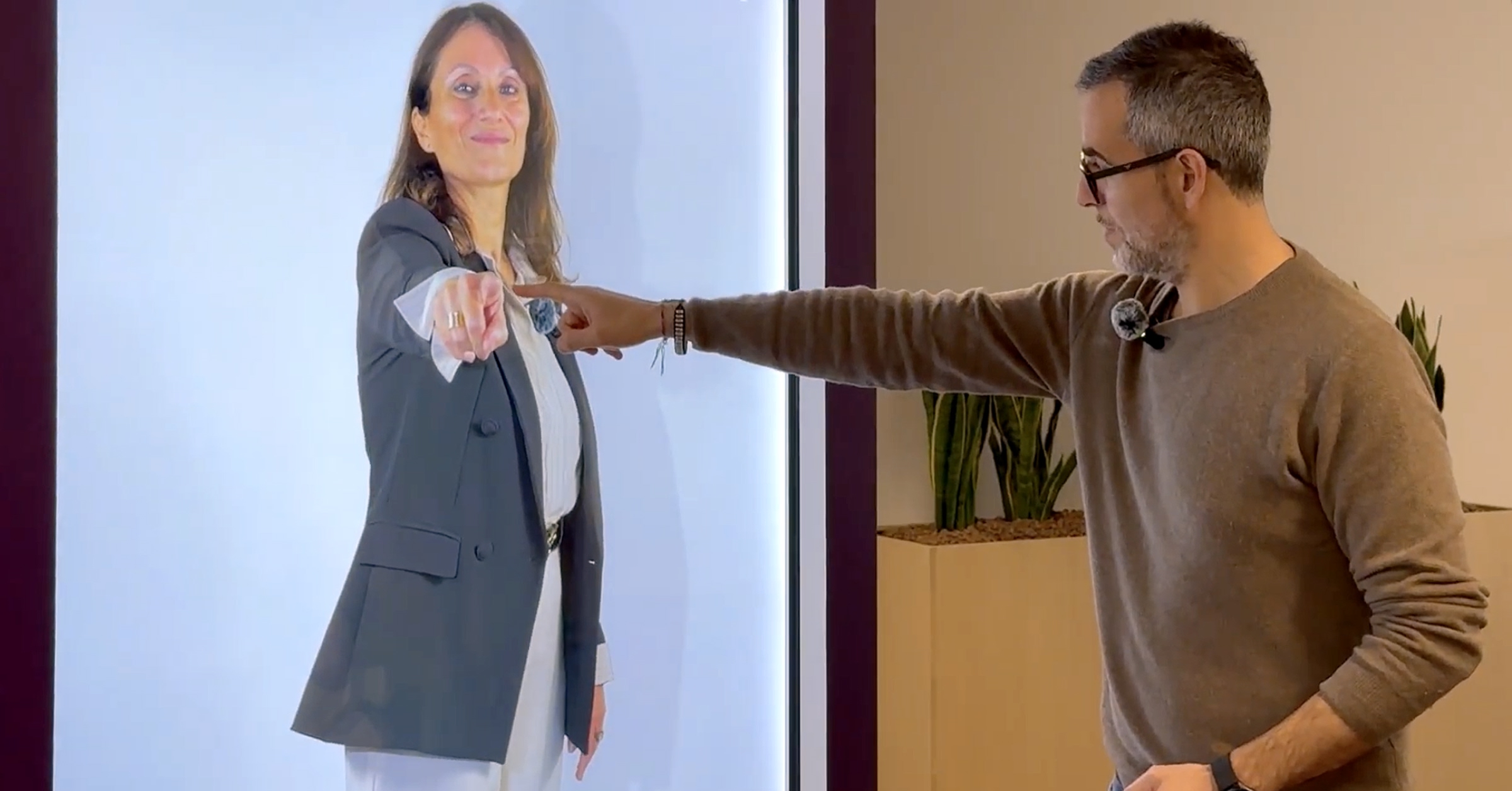
Imagine being able to see an 19th-century room with your own eyes. No tricks or illusions: thanks to ultra-fast connectivity, it is now possible to experience immersive exhibitions and virtual tours in 8K.
An experience that makes art and history accessible in a completely new way, making museums increasingly interactive.
Because when technology meets culture, it breaks down geographical barriers and enables new immersive experiences.
But like any innovation, it brings challenges and opportunities that must be carefully balanced.
Let’s explore how.
Technology opens doors to culture
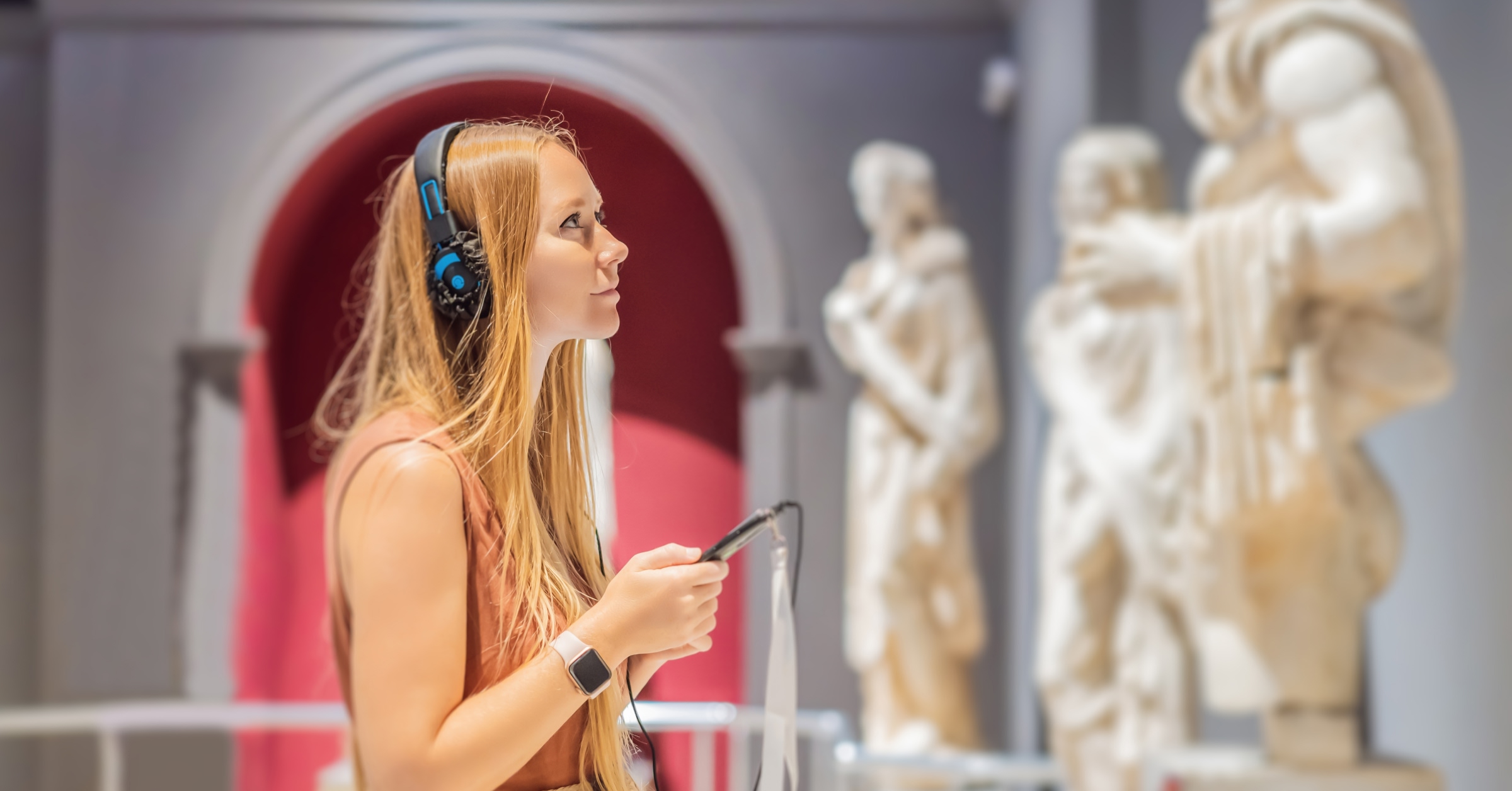
In many Italian cities, fiber optics is opening new doors to culture, allowing people to experience art in ways that once seemed impossible. An innovation that is transforming the very concept of cultural visits.
But what is technically required to make all this possible? 8K projections require a minimum bandwidth of 50–100 Mbps for smooth transmission, while multi-user virtual reality experiences may need up to 1 Gbps to ensure a latency-free experience. This is where ultra-broadband makes the difference compared to traditional connections, offering speeds of up to 10 Gbps in the most advanced implementations.
Innovative technologies that are making museums and galleries increasingly accessible to a global audience.
Immersive exhibitions lead the way in 2026
2026 will be a year in which exhibitions in Italy offer increasingly advanced experiences thanks to the combination of art, technology, and innovation.
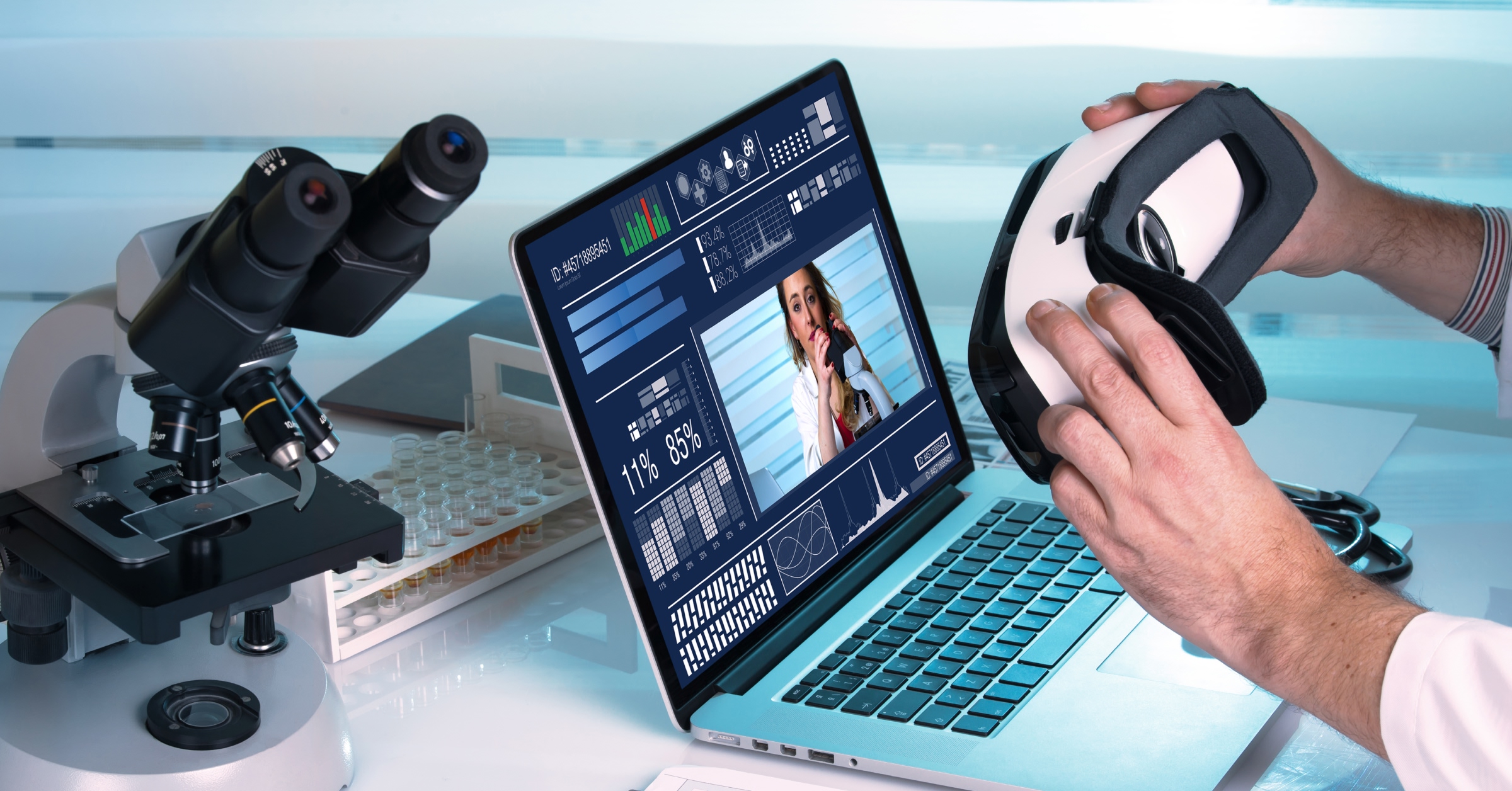
A fusion that is radically changing the way we experience culture: with virtual reality and 360° projections, audiences will be able to engage with art in an immersive way, blurring the line between visitor and artwork.
Fiber optics, an effective and low-latency technological solution, is essential to support these experiences, ensuring smooth and engaging access while making cultural heritage more accessible than ever.
From Rome to Milan, via Florence, exhibitions are integrating advanced technologies such as video mapping and virtual reality, transforming the audience experience into a truly immersive journey.
Museum of the future: between connectivity and content
The museum of the future is set to become a place where technology enriches and radically transforms the experience. Fiber optics is the key enabling museums to take the leap toward a completely new and immersive form of cultural engagement.
Moreover, the introduction of augmented reality and virtual reality will continue to make experiences more interactive, allowing visitors to explore artworks and artifacts while living history,creating a digital ecosystem that offers personalized experiences for every type of audience, wherever they are.
However, this transformation also brings significant challenges and ethical considerations.
Some critics raise philosophical questions: can an immersive experience truly replace the emotion of standing before an original painting? Does technology risk prioritizing spectacle over contemplation? These are open questions that the cultural sector is addressing with increasing attention.
Culture: an evolving sector between tradition and innovation
The transformation driven by technology is reshaping how we experience and interact with art.
Museums, exhibitions, and cultural venues are no longer just physical spaces to visit, but dynamic platforms offering global and accessible experiences.
Art and history are becoming digital, overcoming physical and temporal barriers and making culture accessible to anyone with the necessary tools.
In this context, the future of culture appears interactive, potentially more inclusive and connected, where every visitor can enjoy a unique and personalized experience.
New horizons are opening for culture, inviting audiences to explore and connect with global heritage in ways never seen before, through a challenge that is as technological as it is cultural, blending innovation and tradition, spectacle and contemplation.
In a world where technology continues to transform every aspect of our lives, staying connected is essential. And to do so, there is only one sustainable path forward: fiber optics.Learn more about how this technology helps protect our country’s cultural and historical heritage here.