


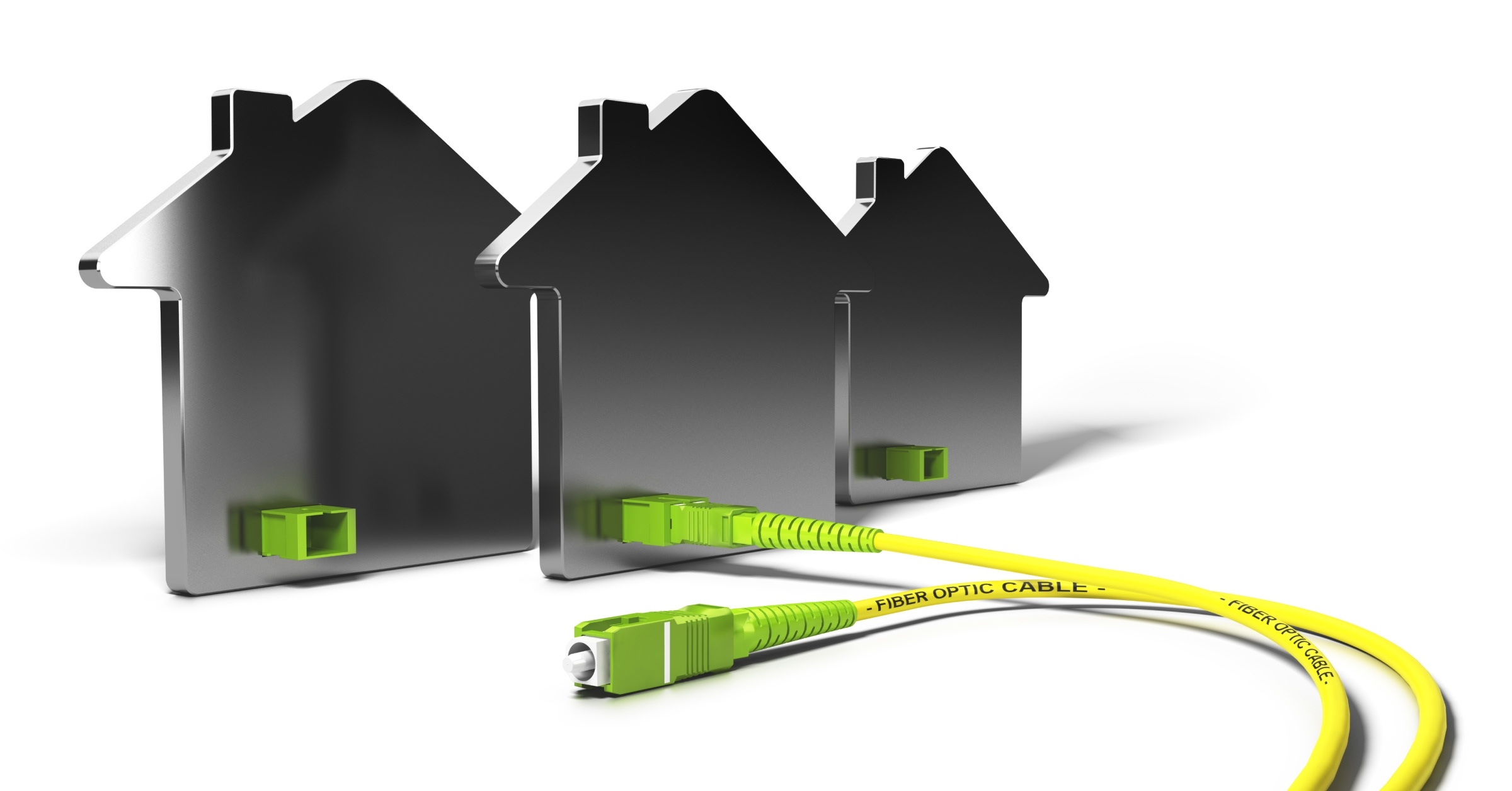
With FTTH fiber, an ultra-fast connection reaches directly into your home thanks to two essential components: the optical wall outlet and the ONT – Optical Network Terminal. The first is the access point through which fiber optics enters the home, while the second converts the light signal into data that can be used by the router. Together, they enable users to fully benefit from the network’s performance, delivering high speeds, stability, and a connection ready to support all everyday digital activities.
Behind a smooth and stable browsing experience, the optical wall outlet and the ONT play a central role, allowing FTTH fiber to deliver its full potential. Working together, they bring ultra-fast internet all the way to the devices used throughout the home.
These two components are essential for transforming the light signal carried by fiber optics into a high-performance, reliable connection capable of supporting modern digital needs. Understanding how they work also helps explain why FTTH technology is currently the most advanced solution for enjoying high-speed connectivity without slowdowns. But how exactly do the optical wall outlet and the ONT work together to deliver the full speed of FTTH fiber to your home router?
What is an optical wall outlet and what is it used for?
The optical wall outlet is the termination point of the fiber optics network inside the home. It is the wall-mounted socket where the fiber optics cable coming from the external network physically ends.
Unlike traditional telephone sockets used for ADSL or FTTC connections, the optical wall outlet is specifically designed to handle the light signal carried by FTTH fiber while maintaining high performance and connection stability.
In practical terms, it represents the entry point of fiber optics into the home. From there, the signal continues to the ONT, whose role is to make it usable by household devices.
During an FTTH fiber installation, the technician identifies the most suitable location for the optical wall outlet in order to ensure the best possible connection to the router. In this sense, the optical wall outlet can be compared to a socket dedicated exclusively to the internet connection, from which the entire home network originates.
ONT: the device that “translates” light into an internet connection
The ONT, or Optical Network Terminal, is the device that converts the optical signal transmitted through fiber optics into an electrical signal compatible with the router.
Data travels in the form of light pulses, but a home router cannot interpret these signals directly. This is where the ONT comes into play: it receives the light transmitted through the FTTH connection and transforms it into digital information ready to be distributed via Wi-Fi or Ethernet cable.
To better understand its role, the ONT can be thought of as a simultaneous interpreter, translating the language of fiber optics into something that household devices can understand.
How do the optical wall outlet and ONT work together?
The optical wall outlet and the ONT work in synergy to deliver the full speed of FTTH fiber to the devices people use every day.
Fiber optics consists of extremely thin strands of ultra-pure glass, about the thickness of a human hair, through which light pulses carrying data travel at very high speed. Unlike traditional copper cables, this structure allows the signal to remain stable and efficient even over long distances.
The cable reaches the home and terminates at the optical wall outlet, where the external network meets the domestic one. From there, the signal is passed to the ONT, which converts the light pulses into digital data ready for the router. This enables FTTH technology to distribute the full power of fiber to smartphones, PCs, smart TVs, and other devices without loss or interference.
This process takes place in real time and allows users to fully benefit from the potential of ultra-broadband connectivity. Compared with copper-based technologies, FTTH fiber delivers a pure optical signal directly to the home, reducing performance losses along the way.
Open Fiber and the development of an ultra-fast network in italy
FTTH technology is currently the most advanced solution for building a network capable of meeting both present and future digital needs. Through modern, all-fiber optics infrastructure, Open Fiber brings ultra-broadband connectivity directly to homes, businesses, and public administrations.
Components such as the optical wall outlet and the ONT are part of a technological ecosystem designed to provide reliable, fast, and stable connections capable of supporting work, entertainment, and online services. Open Fiber’s goal is to help expand access to ultra-fast connectivity, reduce the digital divide, and support citizens and local communities in Italy’s digital transformation. Check coverage on the Open Fiber website to find out whether FTTH fiber is already available in your area and can reach your home.
gaming, even a few milliseconds can make a difference: every command is executed in real-time, without stuttering or delays that can affect performance, especially in competitive games.