

From real-time weather monitoring to automated irrigation systems and connected agricultural drones: how FTTH fiber enables a new model of sustainable, high-yield farming, reducing waste and improving product quality.
Agriculture is undergoing a profound transformation driven by digital technologies, making it possible to adopt a production model that is more sustainable, efficient, and quality-oriented.
From real-time weather monitoring to automated irrigation systems and the use of connected agricultural drones, innovation is reshaping how crops are cultivated and resources are managed.
At the heart of this evolution lies FTTH fiber optics connectivity, a crucial infrastructure for collecting, transmitting, and analyzing large volumes of data continuously and reliably. A high-performing, stable network allows agricultural businesses to reduce waste, optimize production processes, and improve crop quality, while also contributing to environmental protection and strengthening the competitiveness of the Italian agri-food sector.
Digital and sustainable agriculture enabled by FTTH fiber
The growing complexity of the agricultural landscape – driven by climate change, rising costs, and the need for more responsible production – is pushing the sector toward increasingly innovative, technology-driven solutions. In this context, Agriculture 4.0 is taking shape: a model based on the integration of digital tools, automation, and advanced data analytics to make farming activities more efficient and sustainable.
A central element of this evolution is FTTH fiber optics connectivity, an infrastructure capable of delivering high performance, service continuity, and low latency, overcoming the limitations of traditional connections. The rollout of fiber optics helps reduce the digital divide in rural areas, giving agricultural enterprises constant access to the information they need to support fast, informed operational decisions.
Through digitalization, it becomes possible to improve the management of natural resources, reduce waste, use water, energy, and fertilizers more efficiently, and lower the environmental impact of production processes. In this way, sustainability, technological innovation, and agri-food quality reinforce one another, while FTTH fiber emerges as a strategic lever to boost the competitiveness of Italy’s primary sector.
Smart irrigation, weather data, and drones: precision agriculture
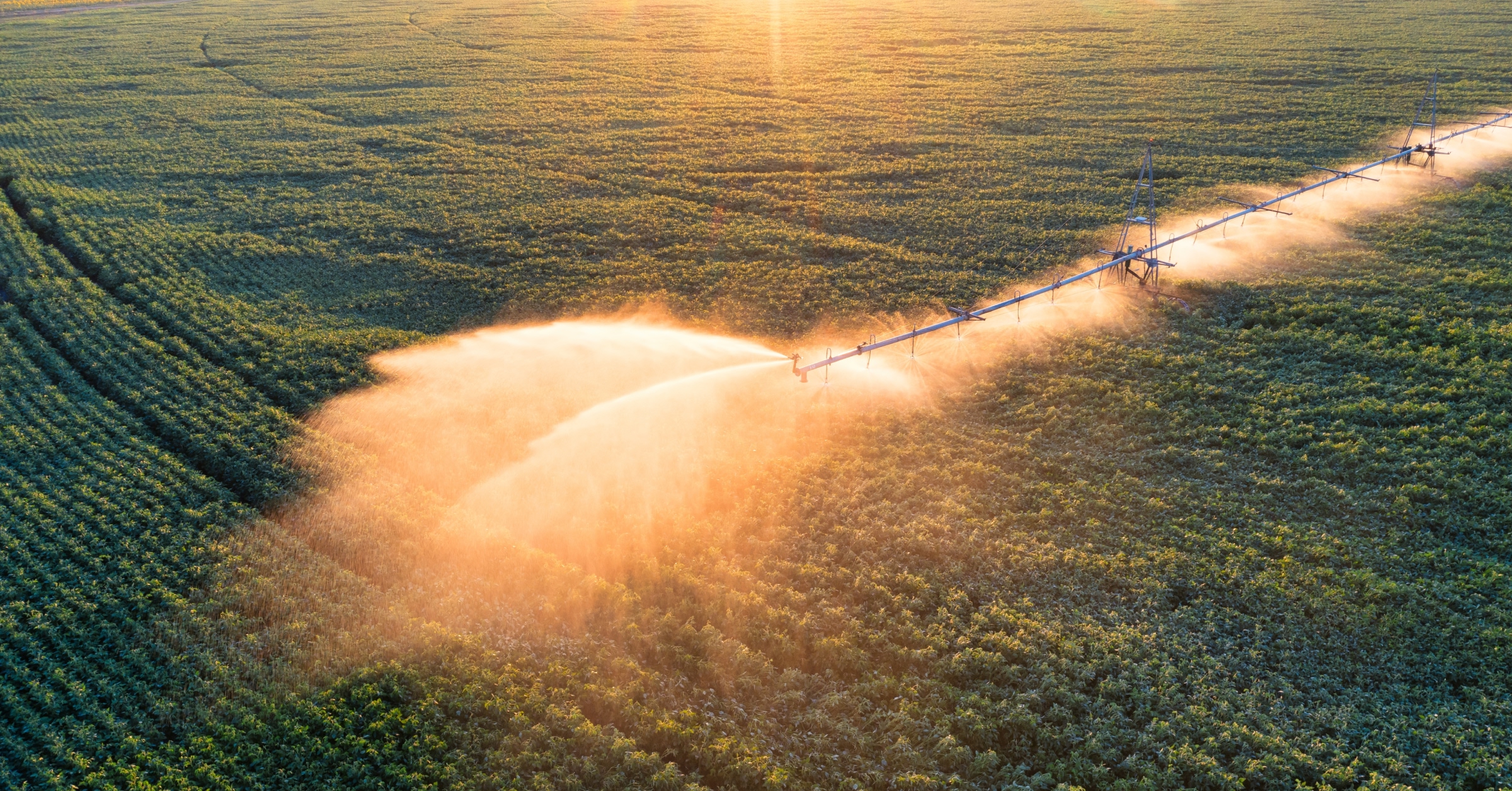
On these foundations, precision agriculture continues to develop: a production model increasingly focused on the use of real-time data to improve efficiency and sustainability. Advanced weather monitoring, enabled by IoT sensors installed in the fields, allows for the continuous collection of information on climate conditions and soil status, supporting the prevention of climate-related and phytosanitary risks. Alongside these systems are smart irrigation solutions, which make it possible to intervene precisely according to the actual needs of crops, thanks to the integration of sensors, management software, and cloud platforms. Process automation thus helps reduce water consumption and operating costs, while simultaneously increasing productivity.
The reliable operation of these technologies requires stable, high-performance ultra-broadband capable of ensuring uninterrupted data exchange. Connected agricultural drones also play an increasingly important role, used for crop mapping, plant health analysis, and more precise, less invasive interventions. FTTH fiber enables the management of large volumes of data, images, and video, contributing to improved product quality, greater traceability along the supply chain, and higher agricultural yields – while respecting the environment.
Open Fiber enables the digital transformation of agriculture
Along this path of innovation, Open Fiber plays a central role in the development of the national FTTH fiber optics network, making a tangible contribution to the digital transformation of Italian agriculture. The company is committed to bringing ultra-broadband connectivity to rural, agricultural, and low-density areas, making connectivity a key enabler for the adoption of new technologies.
The FTTH network represents essential infrastructure to support precision agriculture, promote environmental sustainability, and strengthen the competitiveness of agricultural businesses. Thanks to a future-proof network, Open Fiber enables the integration of advanced solutions such as IoT, cloud platforms, data analytics, and automation, supporting the long-term evolution of the sector. Digital infrastructure thus becomes a driver of economic development for local communities, helping to bridge the digital divide between cities and rural areas. Investing in fiber optics means laying the foundations for a more modern, resilient, and sustainable agriculture.To find out whether your business or home can also benefit from these advantages, check the availability of FTTH fiber optics at your address and get ready to seize the opportunities offered by next-generation connectivity.